Cross-Jurisdictional Self-Exclusion Databases Reshaping Access Controls for Frequent Digital Table Game Participants in Multi-State Frameworks
Written by Wendy Simmons · Oct 16, 2026
Cross-Jurisdictional Self-Exclusion Databases Reshaping Access Controls for Frequent Digital Table Game Participants in Multi-State Frameworks
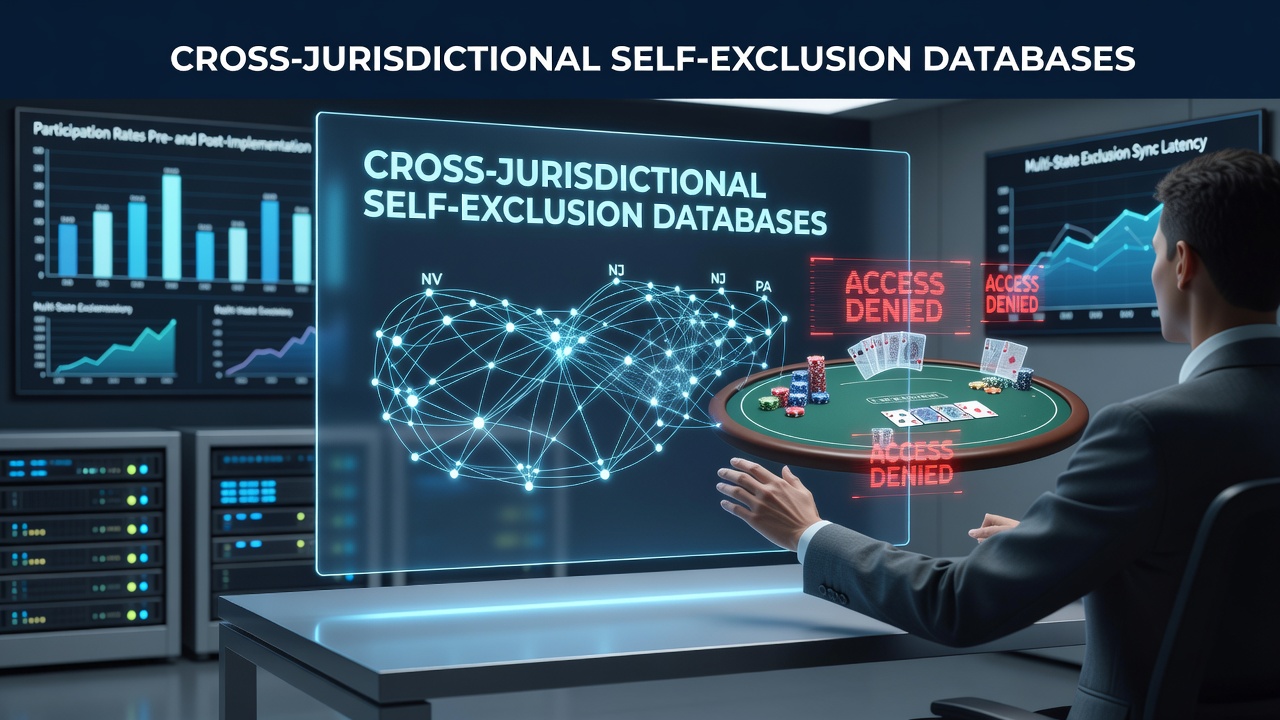
Cross-jurisdictional self-exclusion databases now link participant records across state lines, and this integration directly affects how frequent digital table game users encounter access restrictions on virtual platforms. Multiple states have aligned their exclusion lists so that a single registration blocks entry to online blackjack, roulette, and poker environments regardless of where the operator holds its license. Data from the National Council on Problem Gambling indicates that coordinated systems covered more than 180,000 active records by mid-2026, with table game accounts representing a growing share of those entries.
Database Integration Across State Lines
States participating in these frameworks share encrypted identifiers that operators must query before granting account access or processing deposits. The mechanism requires real-time checks against a central repository rather than isolated state lists, which reduces the chance that a participant can bypass controls by switching jurisdictions. Operators in New Jersey, Pennsylvania, and Michigan began full synchronization in 2025, and additional states joined the exchange during the first quarter of 2026. Those who've studied the rollout note that query response times average under two seconds, allowing seamless login flows while maintaining the exclusion requirement.
Table game participants who register for self-exclusion now see their status propagate automatically. A person who places a voluntary ban in one state cannot open a new account for digital table games in another participating jurisdiction without triggering an automatic denial. This setup replaces earlier manual verification processes that left gaps when players moved between platforms.
Operational Changes for Platform Operators
Operators must update their identity verification layers to accommodate the shared database queries. Compliance teams run daily reconciliation reports that flag any accounts created before a participant's exclusion record appeared in the system. In October 2026 several multi-state operators completed software patches that embed the exclusion check directly into the account creation workflow, eliminating the previous two-step process that separated state-level checks from the cross-border layer.
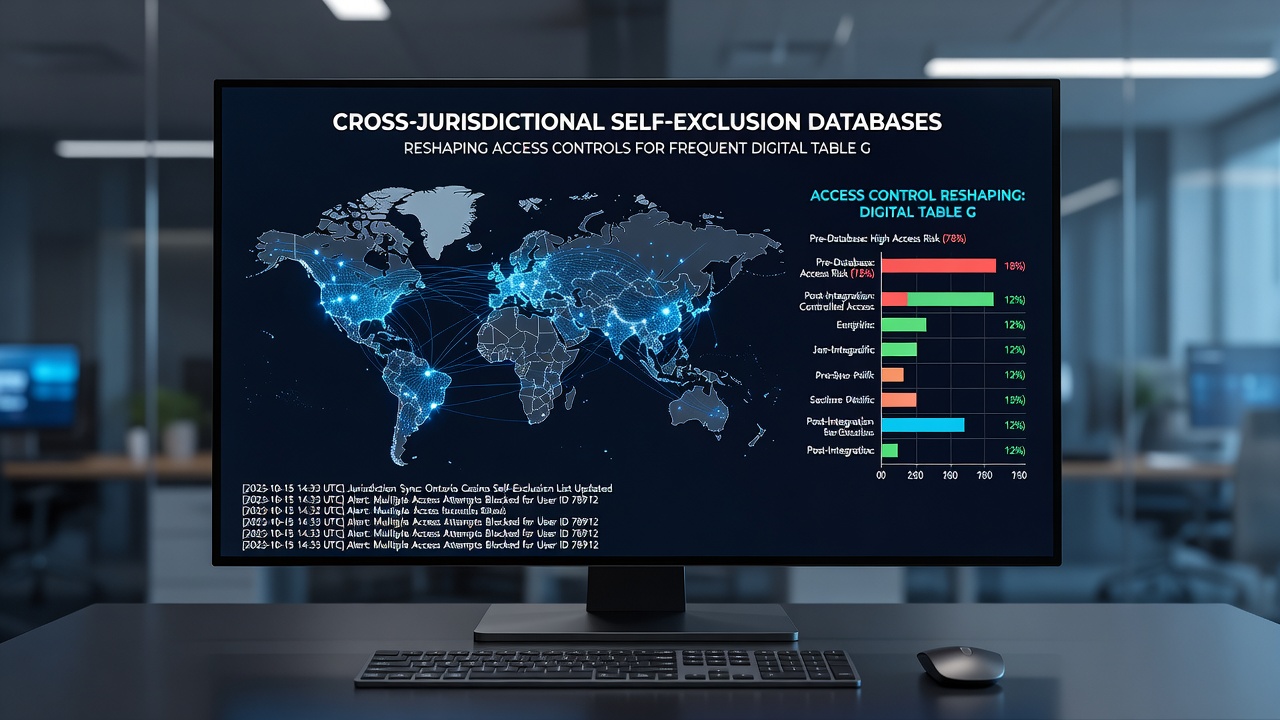
Payment processors also adjusted their protocols. When a transaction originates from an excluded account, the system returns a standardized decline code that prevents funds from reaching the gaming wallet. Industry reports show that these declines increased 27 percent year-over-year in states with active cross-jurisdictional sharing, reflecting higher detection rates rather than growth in new exclusions.
Participant Experience and Verification Pathways
Individuals seeking to lift an exclusion must now navigate a multi-state review instead of a single-state hearing. Applications route through the originating jurisdiction, yet neighboring states receive notification and may submit objections if the participant maintains accounts or activity records within their borders. The extended review period averages 45 days, compared with the previous average of 21 days under isolated systems. Participants receive status updates through a unified portal that displays which states have cleared the request and which remain under review.
Those who've examined early cases report that table game specialists, who often maintain higher deposit volumes, encounter stricter documentation requirements during reinstatement. Operators request transaction histories and third-party financial assessments before reactivating accounts, steps that were less uniform before the databases merged.
Technical Standards and Data Security Measures
The shared repositories rely on hashed identifiers and tokenized account references rather than raw personal data. Encryption standards follow NIST guidelines updated in 2024, and audit logs record every query with timestamps and operator identifiers. A 2026 assessment conducted by the Interstate Gambling Research Consortium found that no unauthorized access incidents occurred in the first 18 months of operation across participating states.
API documentation distributed to licensed operators specifies mandatory fields for each verification call, including device fingerprinting and IP geolocation. These elements help confirm that an access attempt originates from a permitted jurisdiction even when the exclusion record blocks the account.
Conclusion
Cross-jurisdictional self-exclusion databases continue to expand their reach within multi-state gaming frameworks. The systems enforce consistent access barriers for digital table game participants while requiring operators to maintain synchronized verification processes. As additional states adopt the shared protocols, the volume of records and the frequency of automated checks are expected to rise through the remainder of 2026 and beyond.